SaaS Pricing Models Explained: Which One Is Right for Your Product?
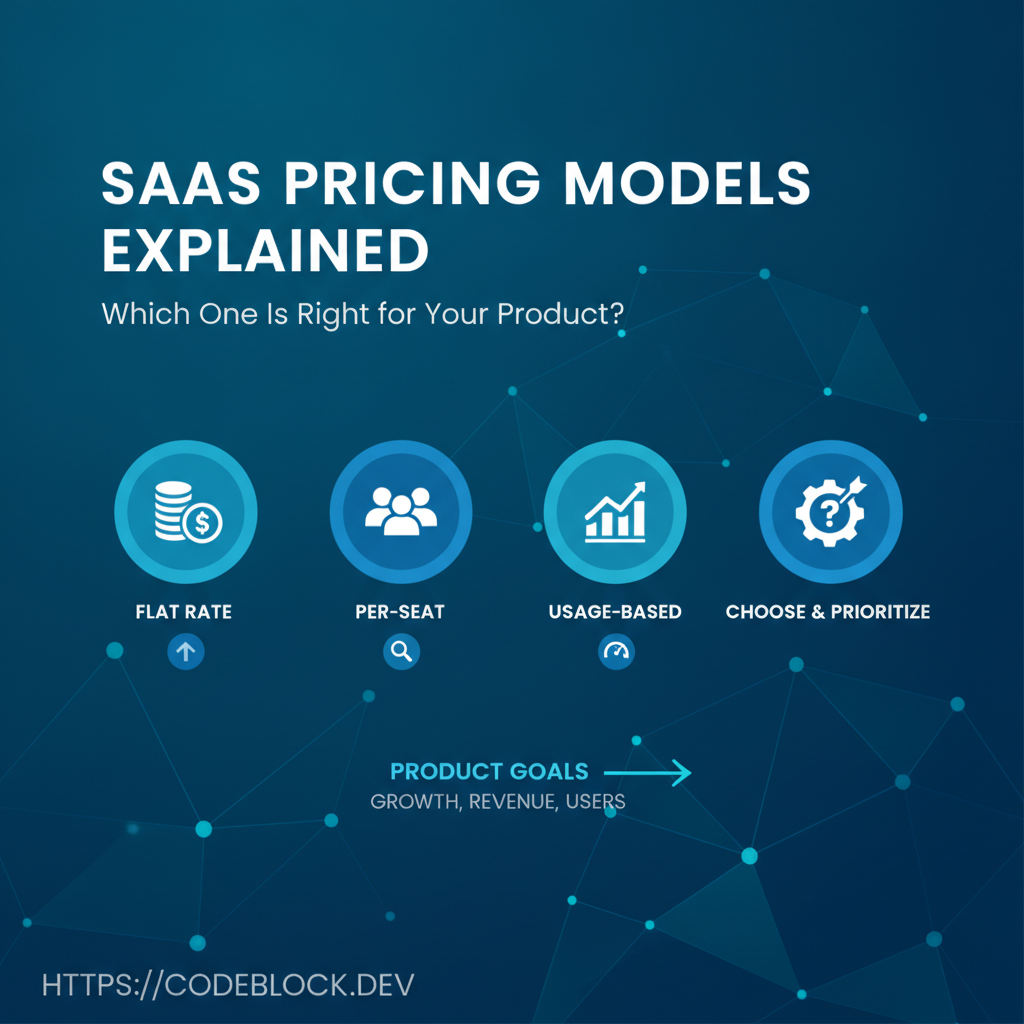
Pricing is the “make or break” of SaaS growth. Picking wisely—and iterating—will shape your product’s destiny. Here’s a comprehensive 2026 guide to each major SaaS pricing approach, with examples and rollout strategies.
1. Flat Rate (“Simple is best”)
- One price for all, usually for solo or indie SaaS or simple B2C/B2B tools
- Fast to explain, easy conversions, but can be limiting for revenue scaling or different audience sizes
2. Per-Seat/User (“B2B Standard”)
- Your customer pays per user/employee: perfect for teams, agencies, and organizations with growing headcount
- Can “land and expand” as usage grows; risk: harder to sell to solo/very small teams
3. Usage-Based (“Pay for what you use”)
- Price tied to API calls, storage, compute, or features—common for developer SaaS, APIs, or infrastructure products
- Pros: aligns value with cost/scale, rewards heavy users
- Cons: pricing may feel unpredictable; clear dashboards and alerting are essential
4. Freemium/Add-On (“Give value, charge for more”)
- Entry-level features are free, premium unlocks/usage tiers for advanced/power users
- Great for viral/indie SaaS and B2C, may lead to many non-paying customers (need conversion/upgrade workflows)
5. Hybrid & Tiered
- Mix and match: base plus usage, tiered storage, core + add-on modules, premium support for enterprise
- Enables precision (B2B, B2C, and API in one product), but can get complicated fast—ensure clear plan communication
Picking Your Strategy
- Start simple (flat or seat/tiered for MVP/launch); optimize as customers and use cases grow
- Survey actual and prospective users for “willingness to pay,” desired features, and preferred billing cadence
- A/B test pricing pages and feature sets—adjust on feedback and data
- Watch competitors, but don’t “race to the bottom”; higher price, positioned well, often means better customers
- Monitor plan-related churn; product analytics + user interviews for upgrade/downgrade reasons
DevKit Pricing Modules: Experiment without Pain
CodeBlock DevKit lets you:
- Offer all above models + trial/discounts, all configurable by admin
- Build and publish pricing changes painlessly, roll back/test, and monitor customer impact
Pricing Experiment Checklist
- Model(s) chosen for first launch: flat/seat/usage/free/hybrid
- Plan for A/B testing pricing, upgrade flows, and analytics
- Dashboards for measuring conversion, churn, revenue per plan
- Support/cancellation/feedback loop ready for new offers
- Subscriber notification and change policies set
Explore further: